
What is Ramadan?
Ramadan: The holiest month of the Islamic calendar. It falls in the ninth month of the lunar calendar, roughly 11–12 days shorter than the Gregorian one. That means Ramadan shifts about 10 days earlier each year, eventually rotating through the seasons.
To Muslims around the world, Ramadan is a time of spiritual reflection, self-discipline and devout worship. It marks the moment when the Quran was originally revealed to Prophet Muhammad. Every night at sunset, the fourth prayer of day echoed, families come together to break their fast and eat Iftar.
Do I Need to Fast as a Visitor?
No. Tourists are not expected to keep the fast. Moroccans are a warm and welcoming people, used to travelers from around the globe. Culturally and religiously, the country has a long history of coexistence, and locals will be understanding and accommodating.
That said, it’s respectful not to eat, drink or smoke in public when the sun is out. Knowing how to act when visiting a different culture is one of the simplest ways to show respect and appreciation for local customs.
How Do Muslims Fast During Ramadan?
From sunrise to sunset, Muslims abstain from:
- Food
- Drink (including water)
- Smoking
- Intimacy
The fast is broken each evening with dates and milk or water, followed by a full meal. While this might sound challenging, many Muslims describe Ramadan as a time of spiritual cleansing and healing—a chance to reset mentally and physically.
Certain groups are exempt from fasting, including:
- Children who haven’t reached puberty
- Pregnant, breastfeeding, or menstruating women
- Travelers
- The elderly or those who are ill
Those exempt often make up the missed fast days later in the year.
Are Restaurants Open During Ramadan?
It varies.
- Local cafes and restaurants often close during the day. Some shut entirely for the month.
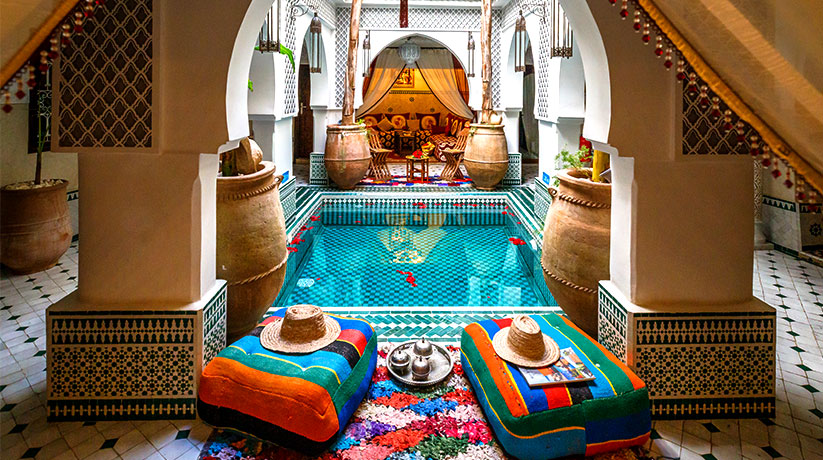
- Tourist hotels, riads, and international restaurants generally remain open, serving meals to visitors as usual.
- Alcohol may still be served to non-Muslims in tourist establishments, but Moroccan law prohibits serving alcohol to Moroccans during Ramadan.
If you’re unsure where to eat, your hotel or travel agent can guide you to the best options.
Can I Join an Iftar Meal?
Yes—and you absolutely should.
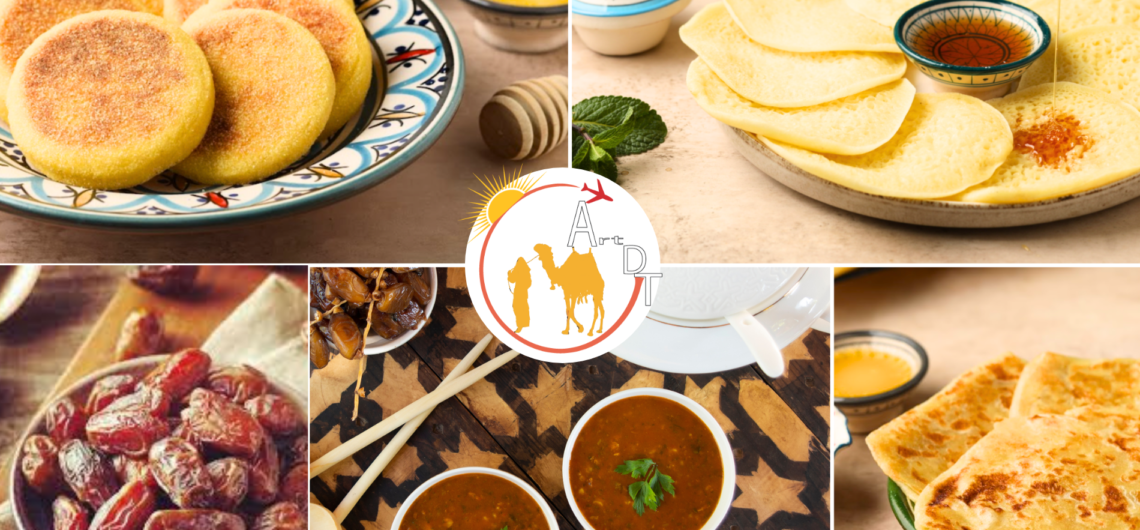
Iftar is the evening meal when Muslims break their fast. It’s a beautiful, communal experience. Families gather around tables filled with:
- Fresh dates and milk
- Harira soup (a rich tomato and lentil soup)
- Chebakia (sesame and honey pastries)
- Tagines, breads, and sweets
The variety depends on the region, but the spirit is the same everywhere: generosity, gratitude, and togetherness.
Some restaurants offer Iftar experiences with music and entertainment. For a more authentic moment, your travel agent can arrange for you to share Iftar with a local family—an unforgettable glimpse into Moroccan hospitality.
Will Tourist Sites Be Open?
Yes, but hours may shift slightly.
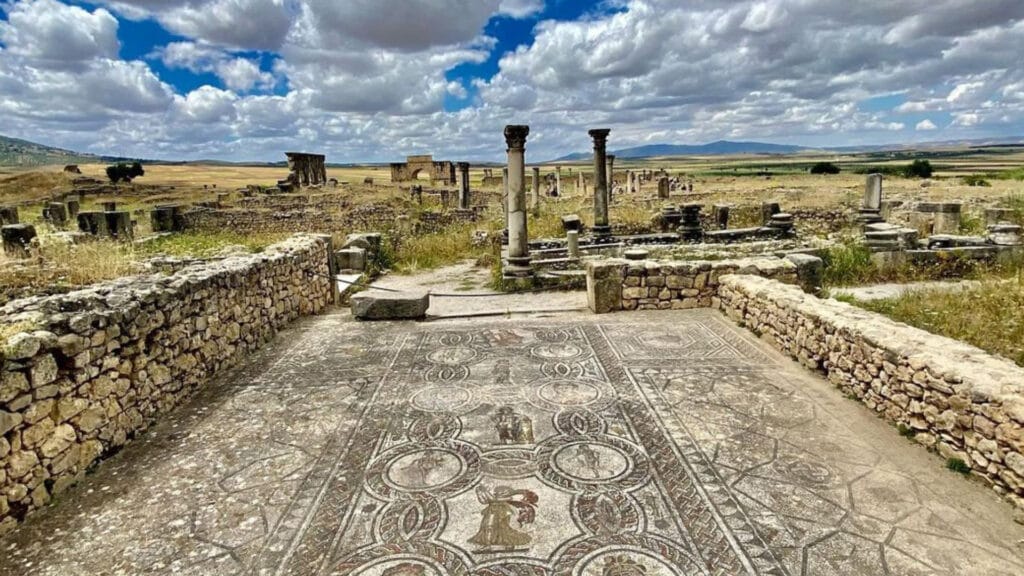
Most museums, monuments, and historical sites open later in the morning—typically around 11:00 AM—and close at their usual time in the late afternoon or early evening. You’ll still have plenty of time to explore Morocco’s rich heritage, from the Roman ruins of Volubilis to the medinas of Fes and Marrakech.
What Happens in the Evenings?
Once the fast is broken, the country comes alive.
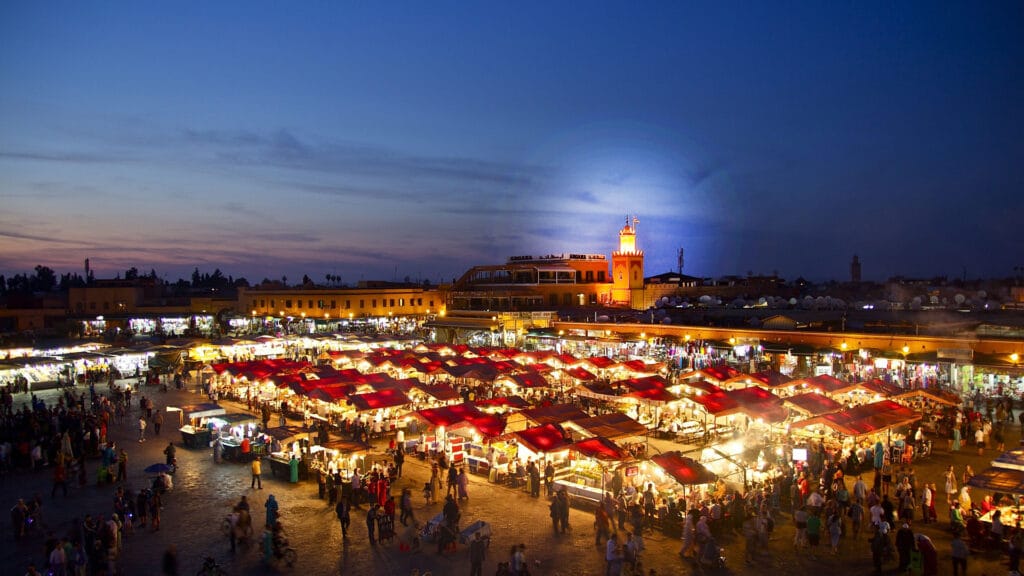
Streets fill with energy. Families stroll through squares, children play, and friends gather in cafes. In Marrakech, Jemaa el-Fnaa Square transforms into a glowing festival of food stalls, storytellers, musicians, and performers. Lanterns light the way as snake charmers and henna artists draw crowds late into the night.
Ramadan evenings are vibrant, social, and full of warmth.
Is Ramadan a Good Time to Visit?
Absolutely.
Visiting Morocco during Ramadan offers a unique window into the country’s spiritual and cultural heart. You’ll witness traditions that happen only once a year:
- The sound of cannons announcing sunset
- Streets filled with families walking to evening prayers
- Markets stocked with special Ramadan sweets and dishes you won’t find any other time
If you’re a food lover, this is an especially rich time to visit. Many treats—like chebakia and sellou—are prepared only during Ramadan.
What Should I Pack?
A few thoughtful additions can make your trip more comfortable:
- A scarf or light wrap (useful for modesty and sun protection)
- Comfortable walking shoes (evenings are busy)
- A small water bottle (for your hotel room or private moments)
- An open mind and a smile
Ramadan in Morocco is not a time of limitation—it’s a time of celebration, reflection, and community. As a visitor, you’re invited to witness and even participate in this beautiful tradition. With a little awareness and respect, your journey during this holy month can become one of your most memorable travel experiences.
Whether you’re sharing dates with a family at sunset or wandering lantern-lit streets after dark, Ramadan offers a side of Morocco most tourists never see.
Want to experience Ramadan in Morocco? We can help arrange Iftar with a local family, guided tours during the holy month, and accommodations that suit your travel style. Contact us to plan your journey.

Comments