
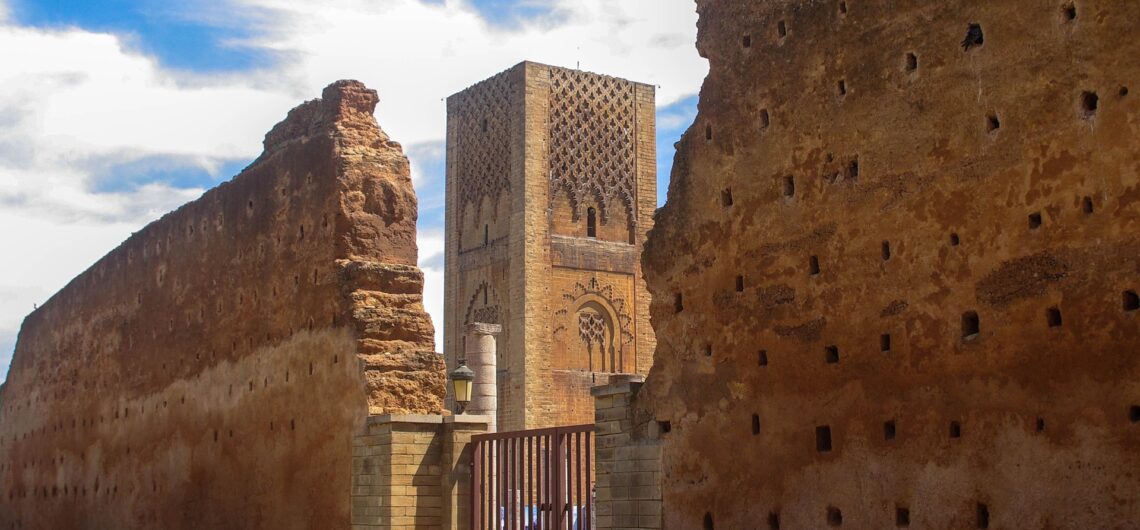
Discovering Rabat: Morocco’s Capital of Heritage and Culture
Rabat, Morocco’s political and cultural heart, blends centuries of history with striking architecture and vibrant traditions.
Kasbah of the Oudayas
Perched at the Bou Regreg River’s mouth, the Kasbah of the Oudayas is a 12th‑century fortress. It enchants visitors with narrow lanes painted in blue and white. This neighborhood showcases authentic Moroccan design and offers breathtaking views of both the river and the Atlantic Ocean. Within its walls, you’ll find the serene Andalusian Gardens, the Oudayas Museum, and a peaceful atmosphere that feels like stepping back in time.
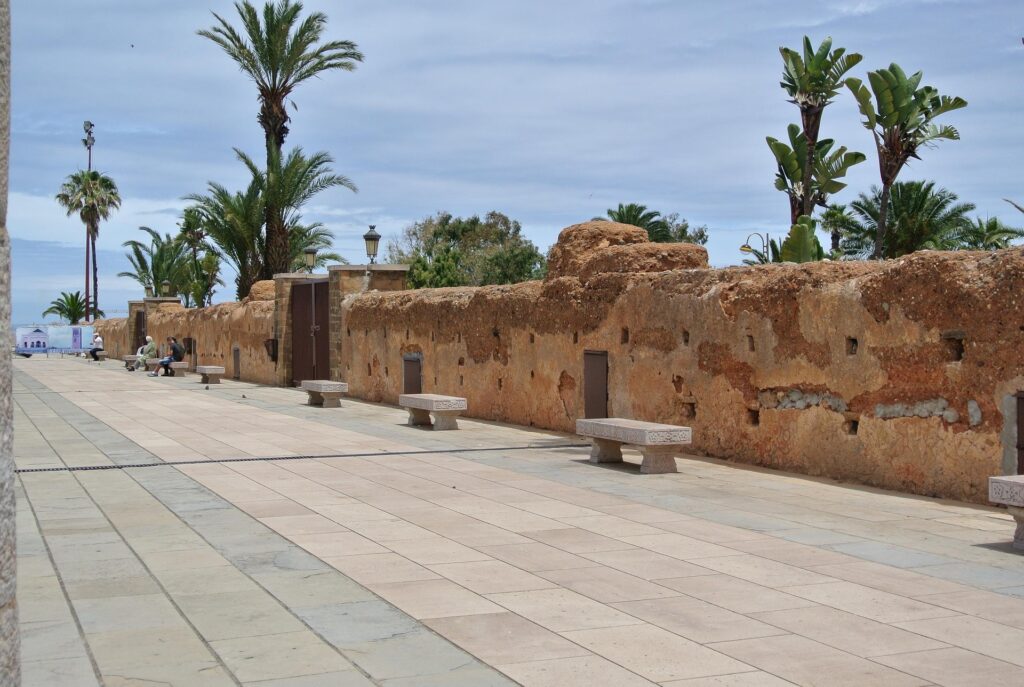
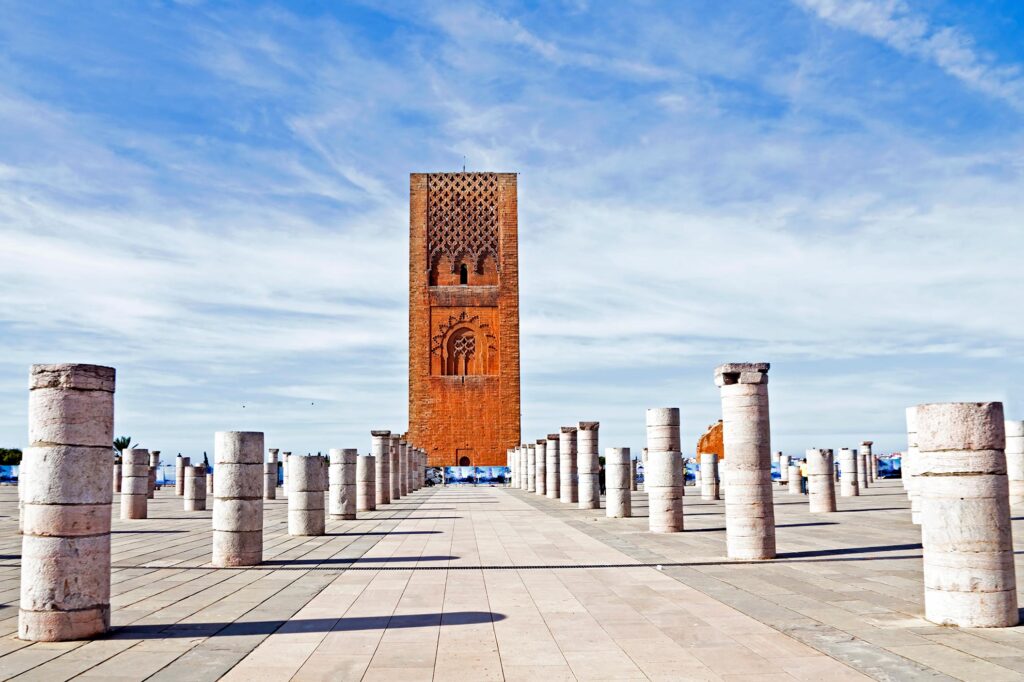
Hassan Tower
he Hassan Tower, one of Rabat’s most recognizable monuments, is an unfinished 12th‑century minaret. It was once envisioned as part of the world’s largest mosque. Construction began in the 12th century but was never completed, leaving the tower as a majestic reminder of that ambition. Its detailed stonework and towering presence provide sweeping views of the city, and it is often visited alongside the nearby Mausoleum of Mohammed V.
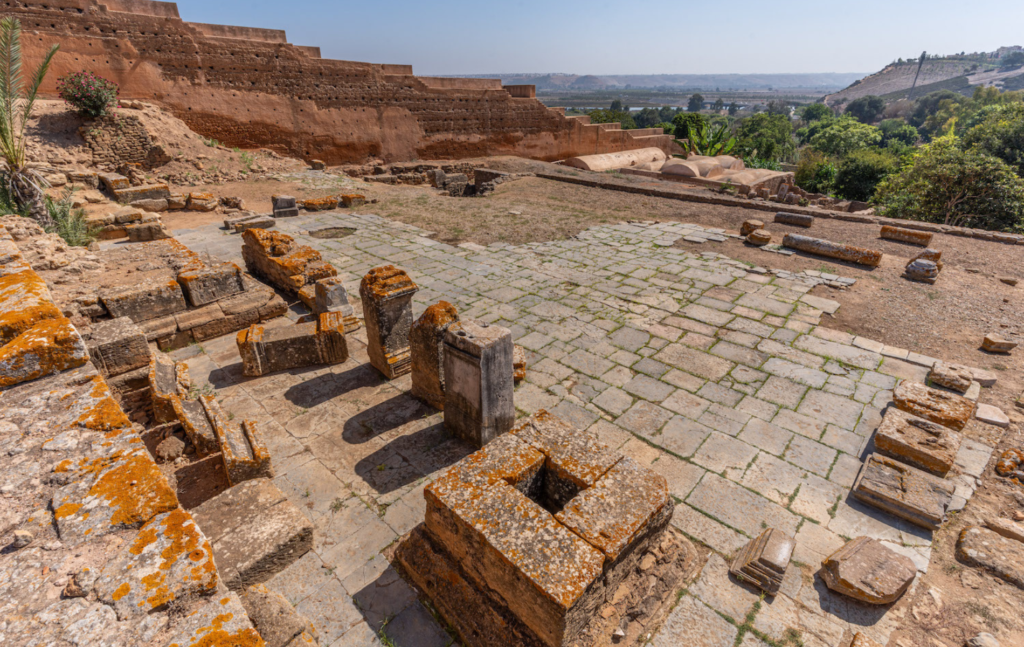
Chellah Necropolis
Chellah is a remarkable archaeological site that reveals Rabat’s layered past. Originally a Roman settlement known as Sala Colonia, it later became a fortified Islamic necropolis. Visitors can wander through Roman baths, medieval tombs, and gardens filled with exotic plants. Chellah is a living museum where history and nature intertwine.
Mausoleum of Mohammed V
This grand mausoleum honors King Mohammed V, a pivotal figure in Morocco’s independence. Built with exquisite craftsmanship, it features gleaming white marble, intricately carved ceilings, and a majestic hall illuminated by chandeliers. Inside lie the tombs of Mohammed V, his son King Hassan II, and Prince Moulay Abdellah, making it both a spiritual and historical landmark.
The Old Medina
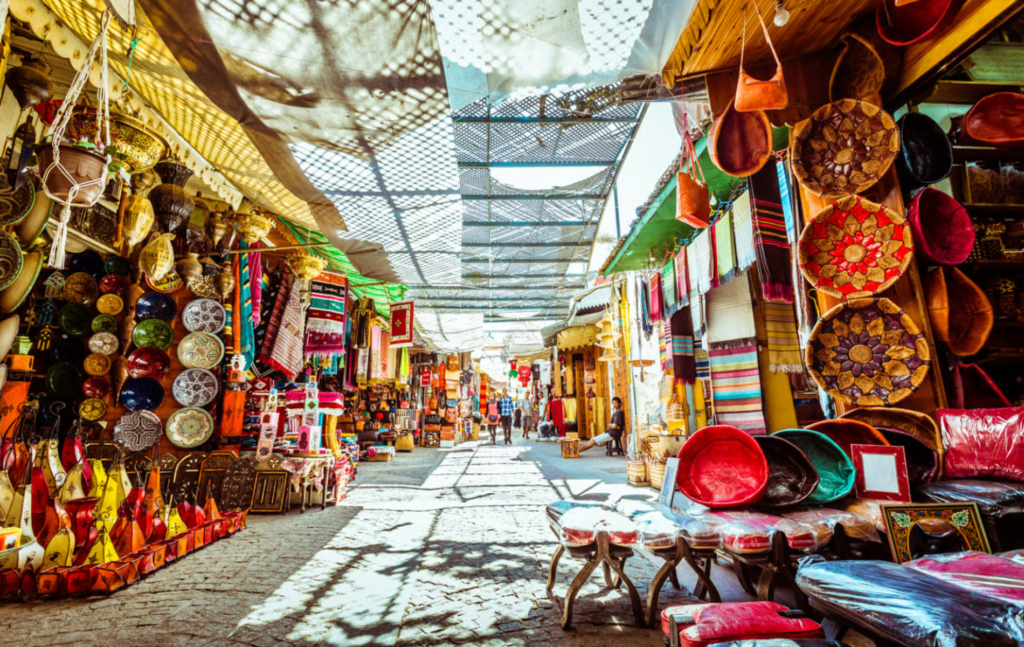
Rabat’s old medina is a lively maze of narrow streets, bustling souks, and centuries‑old buildings. Here, you can immerse yourself in local life, shop for traditional crafts, and savor Moroccan cuisine in cozy cafés. Highlights include the energetic Souq As Sebbat and the charming Rue des Consuls, where artisans and merchants keep age‑old traditions alive.
Each of these sites reflects a unique facet of Rabat’s identity, offering travelers a rich tapestry of history, culture, and everyday life.
Rabat Zoo – Jardin Zoologique de Rabat
Beyond its historic treasures, Rabat is home to the Jardin Zoologique de Rabat. This modern park spans a vast landscape. It houses lions, tigers, elephants, giraffes, zebras, monkeys, crocodiles, snakes, and colorful birds. Designed to mimic natural habitats, the enclosures provide comfort for animals and an authentic wildlife experience for visitors.
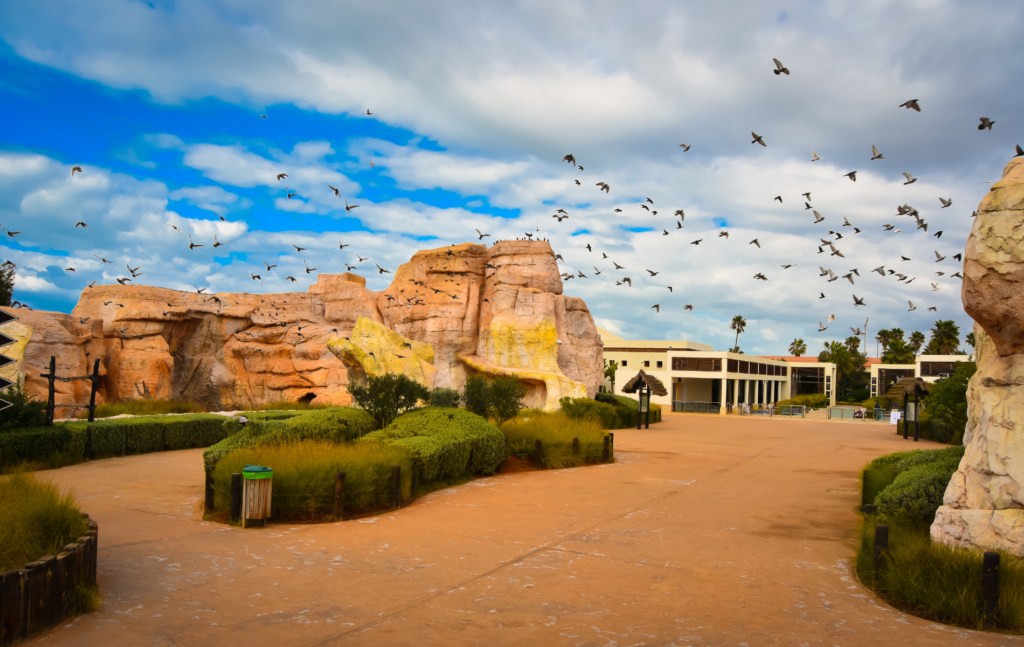
The zoo is more than just a recreational space—it serves as an educational hub. Through guided tours, interactive workshops, and conservation programs, it raises awareness about biodiversity and the importance of protecting endangered species. Families can enjoy picnic areas, shaded gardens, and walking paths, making it a perfect outing for both learning and leisure.
By visiting Rabat Zoo, guests not only enjoy close encounters with fascinating creatures but also contribute to ongoing conservation efforts, fostering a deeper respect for nature and wildlife.
note : In essence, Rabat is a city where history, culture, and nature converge—whether you’re wandering through ancient ruins, marveling at architectural masterpieces, or connecting with wildlife, the capital offers experiences that are both enriching and unforgettable.

Comments